

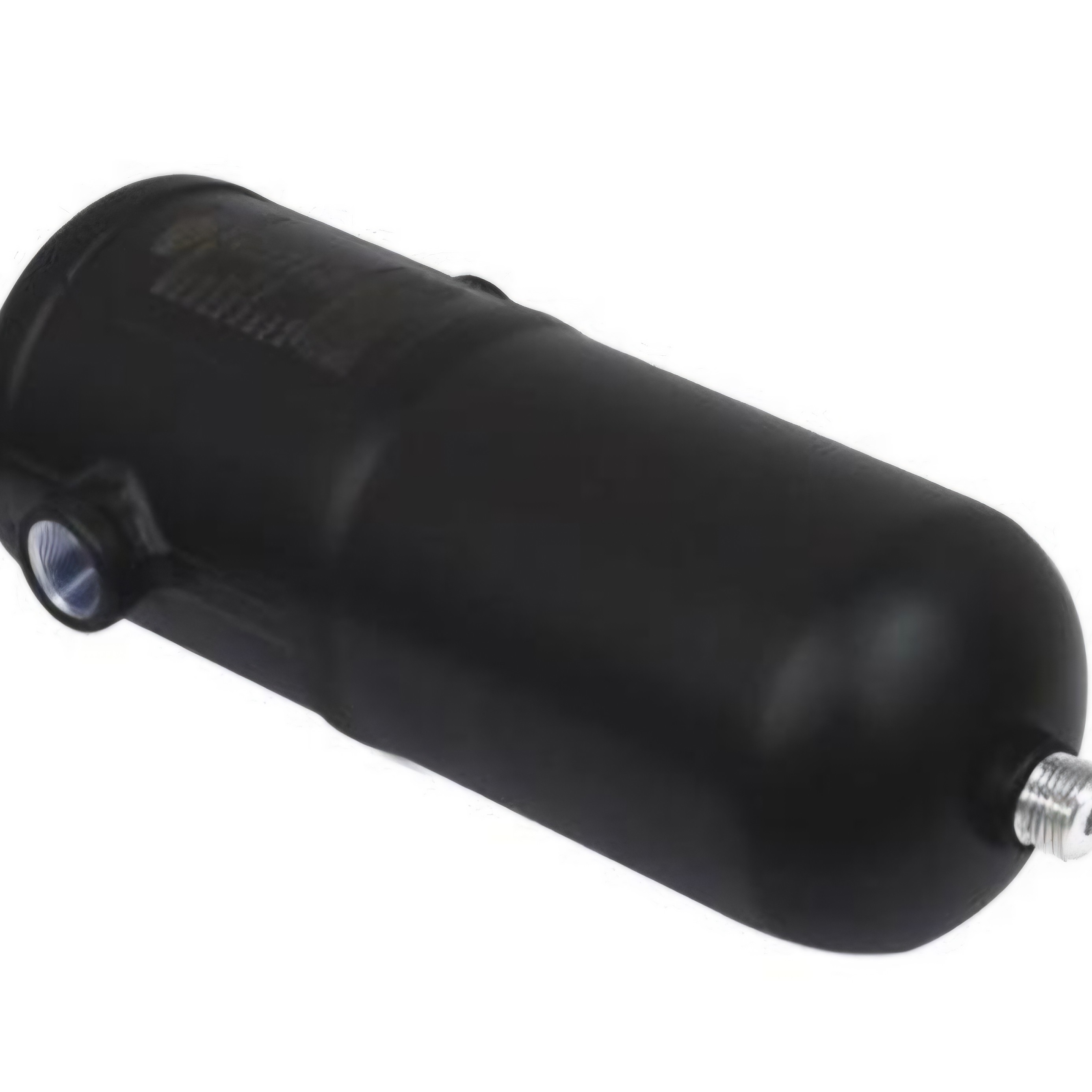
Moisture separator equipment is used to remove unwanted water droplets or moisture from gases, air, or steam in industrial systems. Moisture is a common byproduct in many processes, and if it is not removed, it can reduce efficiency, damage equipment, and cause corrosion or safety issues. Moisture separators play a critical role in maintaining system performance and reliability.
In steam systems, moisture separators are especially important. When steam travels through pipelines, some of it condenses into water due to temperature changes or pressure drops. This moisture can lead to problems such as water hammer, reduced heat transfer efficiency, and erosion of pipes and valves. A steam moisture separator removes these water droplets, ensuring that only dry steam reaches turbines, heat exchangers, or other end-use equipment.
Moisture separators are also widely used in compressed air systems. Compressed air naturally contains water vapor, which can condense into liquid as the air cools. If this moisture enters pneumatic tools, control valves, or instrumentation, it can cause malfunctions, corrosion, and increased maintenance costs. By installing moisture separators, industries can supply clean, dry air that improves equipment life and process quality.
There are different types of moisture separators, including centrifugal, vane-type, and mesh-type separators. Centrifugal separators work by forcing the gas or steam to rotate, using centrifugal force to throw heavier water droplets toward the walls, where they are collected and drained. Vane-type separators use specially designed blades to change flow direction, causing moisture to separate out. Mesh-type separators capture fine droplets using a wire mesh pad.
Overall, moisture separator equipment is essential in power plants, chemical industries, oil and gas facilities, food processing, and HVAC systems. By effectively removing moisture, these devices enhance energy efficiency, reduce downtime, and protect valuable equipment, making them a vital component of modern industrial operations.