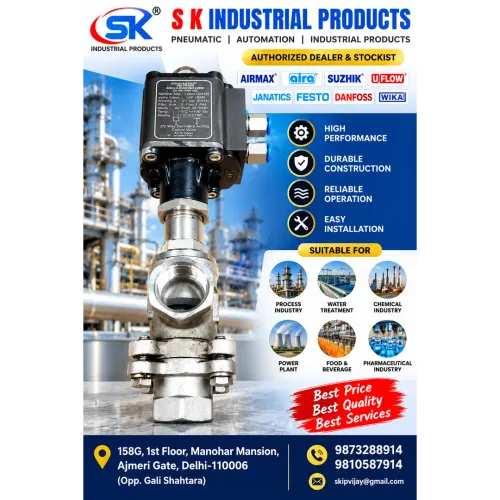
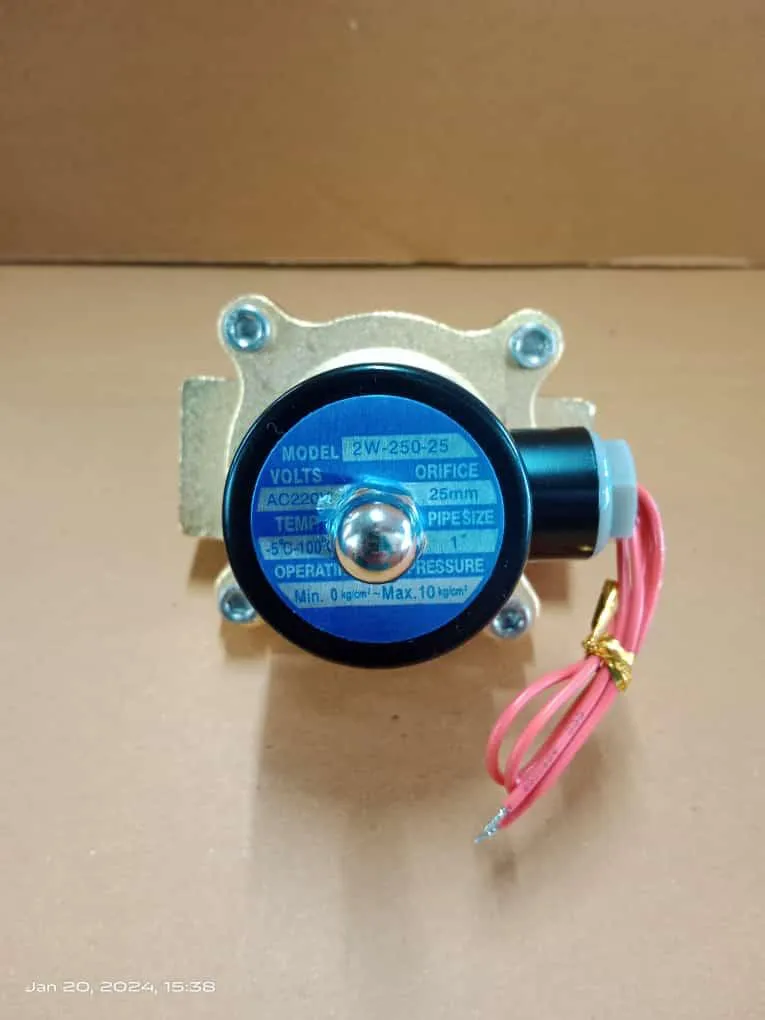
Hydint is a well-regarded brand in the industrial automation sector, known for producing robust and reliable flow control solutions. Their Brass Body Solenoid Valves are engineered for durability and precision, making them a staple in water treatment, HVAC, and pneumatic systems.
Key Features and Construction
The core of these valves is the high-grade forged brass body, which offers excellent resistance to corrosion and mechanical stress. These valves typically operate on an electromechanical principle: an electrical current passes through a coil, creating a magnetic field that moves a plunger to open or close the valve orifice.
Technical Specifications
Action Types: Available in both Direct-Acting (for low-pressure systems) and Pilot-Operated (for high-flow applications).
Functionality: Most models are Normally Closed (NC), meaning they remain shut until power is applied, though Normally Open (NO) versions are available.
Media Compatibility: Ideal for air, water, gas, and low-viscosity oils.
Orifice Sizes: Range typically from 2.5mm to 50mm, accommodating various flow rates (Kv values).
Why Choose Hydint Brass Valves?
The primary advantage of Hydint’s brass series is the balance between cost-effectiveness and longevity. Brass is easier to machine than stainless steel but much stronger than plastic, allowing for tight seals and high-pressure ratings (often up to 10-15 bar). Additionally, Hydint utilizes high-quality diaphragms (like NBR, Viton, or EPDM) to ensure leak-proof performance across different temperature ranges.
Maintenance Tip: Always install a strainer upstream of your Hydint solenoid valve. Because brass valves have tight internal tolerances, small debris or sediment in the fluid can easily clog the pilot hole or prevent the plunger from seating correctly.
Keywords