

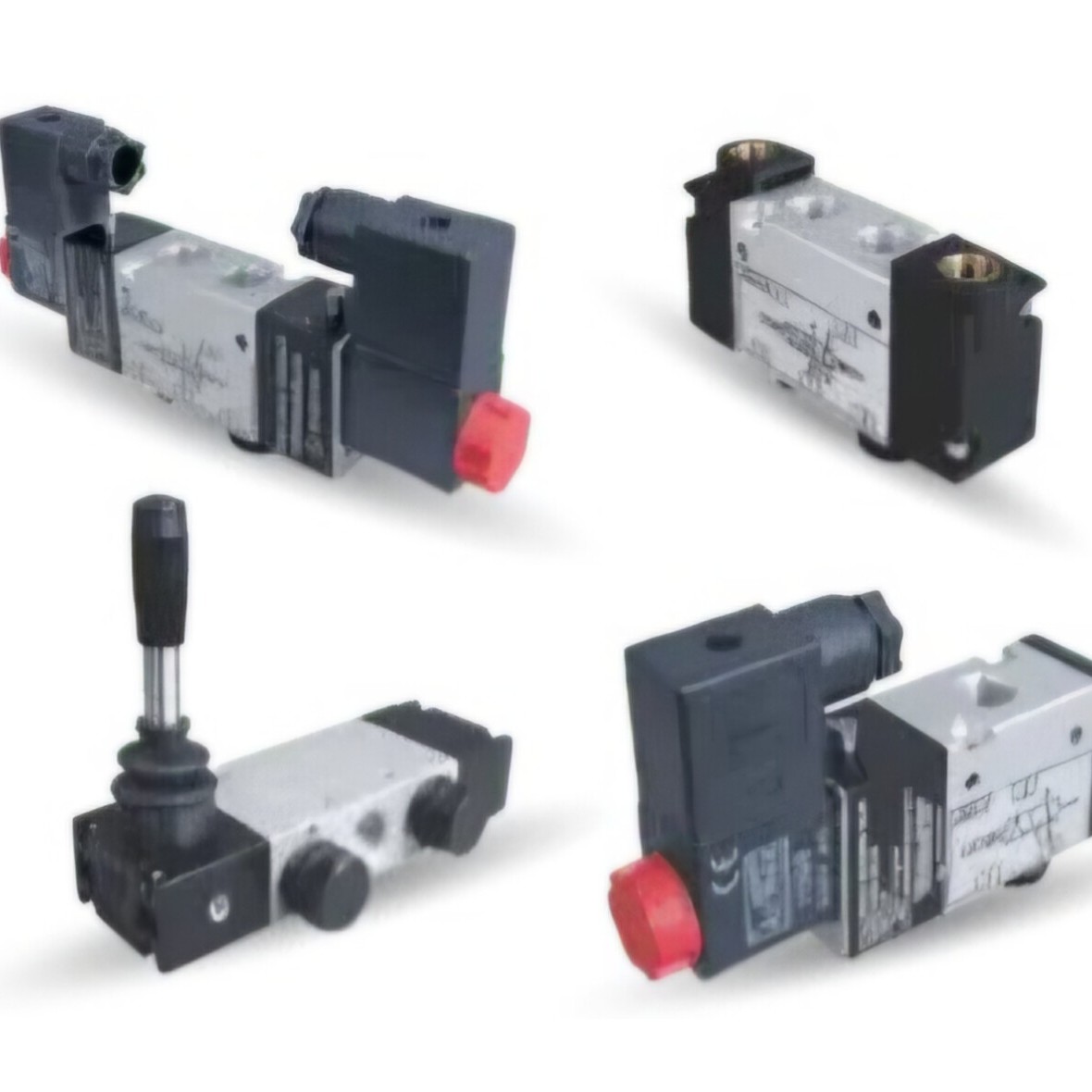
An Airmax directional control valve is a key component used in pneumatic systems to manage and control the flow of compressed air. Its primary function is to start, stop, and change the direction of air flow within a circuit, allowing pneumatic actuators such as cylinders and air motors to operate in a controlled and reliable manner. Airmax, as a brand, is commonly associated with compact, durable, and cost-effective pneumatic valves suitable for industrial automation, training systems, and light to medium-duty applications.
Directional control valves are classified based on the number of ports and positions, such as 3/2, 4/2, or 5/2 valves. Airmax directional control valves are often available in these configurations to suit different system requirements. For example, a 5/2 Airmax valve is widely used to control double-acting cylinders, allowing extension and retraction by directing air alternately to each side of the piston. The valve positions can be actuated manually, mechanically, pneumatically, or electrically using solenoids.
One of the important features of Airmax directional control valves is their smooth and fast response, which helps improve system efficiency and cycle time. They are typically manufactured using corrosion-resistant materials such as aluminum alloy or engineered plastics, ensuring long service life even in demanding environments. Many models also include standard port sizes and mounting options, making installation and maintenance simple.
In pneumatic circuits, Airmax directional control valves play a vital role in automation and safety. By accurately controlling air direction, they help prevent sudden movements, reduce air wastage, and ensure precise actuator motion. Due to their reliability, ease of operation, and compatibility with common pneumatic accessories, Airmax directional control valves are widely used in manufacturing lines, packaging machines, material handling systems, and educational laboratories.
Overall, an Airmax directional control valve is an essential element for achieving efficient, safe, and controlled pneumatic system operation.
Directional control valves are classified based on the number of ports and positions, such as 3/2, 4/2, or 5/2 valves. Airmax directional control valves are often available in these configurations to suit different system requirements. For example, a 5/2 Airmax valve is widely used to control double-acting cylinders, allowing extension and retraction by directing air alternately to each side of the piston. The valve positions can be actuated manually, mechanically, pneumatically, or electrically using solenoids.
One of the important features of Airmax directional control valves is their smooth and fast response, which helps improve system efficiency and cycle time. They are typically manufactured using corrosion-resistant materials such as aluminum alloy or engineered plastics, ensuring long service life even in demanding environments. Many models also include standard port sizes and mounting options, making installation and maintenance simple.
In pneumatic circuits, Airmax directional control valves play a vital role in automation and safety. By accurately controlling air direction, they help prevent sudden movements, reduce air wastage, and ensure precise actuator motion. Due to their reliability, ease of operation, and compatibility with common pneumatic accessories, Airmax directional control valves are widely used in manufacturing lines, packaging machines, material handling systems, and educational laboratories.
Overall, an Airmax directional control valve is an essential element for achieving efficient, safe, and controlled pneumatic system operation.